The Importance of Off-Page SEO

In the ever-evolving world of digital marketing, understanding how search engines rank websites are crucial for online success. While many businesses invest heavily in optimizing their websites with high-quality content and keyword-rich pages (on-page SEO), they often overlook an equally important factor of off page SEO.
Off-page SEO plays a significant role in improving a website’s authority, trustworthiness, and search engine ranking. By implementing effective SEO off-page strategies, businesses can establish a strong online presence, gain credibility, and attract more organic traffic. In this blog, we’ll explore what off-page SEO entails, why it’s important, and how it complements on-page efforts to achieve long-term success in a competitive digital landscape.
What is Off-Page SEO?
Off-page SEO refers to all the external factors and activities performed outside of a website to improve its search engine rankings. Unlike on-page SEO, which focuses on content optimization, internal linking, and meta tags, off-page SEO is about building credibility, trust, and authority through various external signals.
Key Components of Off-Page SEO:
- Link Building: Acquiring high-quality backlinks from authoritative websites.
- Social Media Marketing: Engaging with audiences on platforms like Facebook, Twitter, and Instagram.
- Influencer Outreach: Collaborating with influencers to amplify content reach.
- Brand Mentions: Gaining recognition across different online platforms.
- Online Reviews and Testimonials: Building trust with positive user feedback.
By implementing off-page SEO strategies effectively, websites can improve their rankings, attract more organic traffic, and enhance their brand reputation.
Why Off-Page SEO is Important
Off-page SEO is critical in determining a website’s relevance and authority. While on-page SEO ensures that a website is optimized internally, off-page SEO signals to search engines that the website is a valuable and trusted resource.
Benefits of Off-Page SEO:
- Increased Website Authority: Search engines prioritize websites with high domain authority, which is largely influenced by quality backlinks and brand recognition.
- Improved Search Engine Rankings: Websites with strong off-page SEO efforts are more likely to rank higher on Google’s search engine results pages (SERPs).
- Enhanced Brand Reputation: Positive brand mentions, social signals, and influence endorsements boost credibility and trustworthiness.
- Higher Organic Traffic: Strong off-page SEO efforts lead to better visibility, which transforms more website visitors.
- Better User Trust: Reviews, testimonials, and word-of-mouth recommendations play a role in building user confidence in a brand.
Ignoring off-page SEO can severely limit a website’s growth potential, making it crucial for businesses to incorporate external optimization strategies into their overall SEO plan.
Off-Page SEO vs. On-Page SEO: Key Differences
Both off-page and on-page SEO are essential for a well-rounded SEO strategy, but they focus on different optimization aspects:
On-Page SEO:
- Definition: Optimization efforts done directly within a website.
- Key Elements:
- High-quality, keyword-optimized content
- Meta tags (title tags, descriptions, headers)
- Internal linking for better navigation
- URL structure optimization
- Goal: Improve website structure and user experience to make it more search-engine friendly.
Off-Page SEO:
- Definition: Activities conducted outside the website to build authority and credibility.
- Key Elements:
- High-quality backlinks
- Social media engagement
- Influencer outreach
- Online reputation management (brand mentions, reviews)
- Goal: Establish trust, authority, and a strong online presence to rank higher on SERPs.
A combination of both strategies ensures optimal SEO performance and long-term success in digital marketing.
Key Off-Page SEO Factors to Consider
Several factors influence the effectiveness of off-page SEO strategies. Here are the most important ones:
- Domain Authority (DA): Higher DA websites are considered more trustworthy by search engines.
- Relevance: Backlinks and mentions from industry-relevant sites carry more weight.
- Site Traffic: Websites with high organic traffic gain more credibility and rank better.
- Link Type: Quality of links (do follow vs. no follow) impacts the amount of link equity passed.
Types of Links in Off-Page SEO
- Natural Links:
- These are backlinks acquired naturally when other websites find your content valuable and link to it.
- Built Links:
- Manually obtained backlinks through outreach, guest posting, and PR campaigns.
- Created Links:
- Self-generated links from forums, blog comments, and directories (must be used ethically to avoid penalties).
15 Effective Off-Page SEO Activities
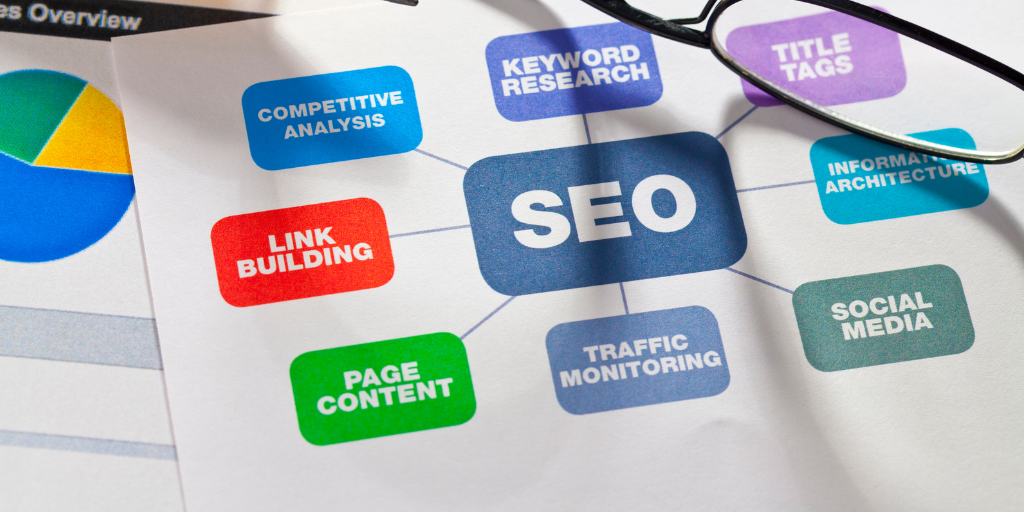
- Link Building
- Guest Posting: Writing content for authoritative blogs in exchange for backlinks.
- Broken Link Building: Identifying and replacing broken links with your content.
- Unlinked Brand Mentions: Requesting a backlink when your brand is mentioned online without a link.
- Brand Building
- Social Media Engagement: Active participation on social platforms to boost brand recognition.
- Expert Contributions: Sharing high-quality reports, whitepapers, and industry insights to establish authority.
- Content Marketing
- Creating shareable content like infographics and case studies.
- Publishing research-backed articles that attract backlinks.
- Influencer Outreach
- Partnering with influencers to promote your brand and generate organic backlinks.
- Local SEO
- Google Business Profile Optimization: Ensuring accurate NAP (Name, Address, Phone) details.
- Citation Building: Listing business details in local directories to improve local search rankings.
- Social Media Marketing
- Actively sharing blog posts, videos, and infographics to drive engagement.
- Online Reviews & Testimonials
- Encouraging satisfied customers to leave positive reviews on Google, Yelp, and industry-specific review sites.
- Press Releases & Digital PR
- Getting media coverage to increase brand awareness and backlinks.
- Forum Engagement
- Participating in industry-related forums to share insights and link back to relevant content.
- Web 2.0 Blogging
- Creating mini sites on platforms like Medium and Blogger to drive backlinks to your main website.
- Podcast Guest Appearances
- Speaking of industry podcasts to build brand credibility and earn backlinks.
- Video Marketing
- Sharing valuable video content on YouTube, Vimeo, and other platforms.
- Quora & Reddit Participation
- Answering industry-related queries to establish authority and drive traffic.
- Infographic Submissions
- Sharing visually appealing data-driven content on infographic directories.
- Competitor Backlink Analysis
- Identifying where competitors get their backlinks from and using similar strategies.
Conclusion
Off-page SEO is a powerful tool in digital marketing, helping businesses gain authority, trust, and visibility in search engine rankings. On-page SEO lays the foundation, off-page efforts build credibility and drive organic traffic over time. Implementing a well-rounded off-page SEO strategy including link building, content marketing, social media engagement, and influencer outreach ensures sustainable growth and a strong online presence.
By consistently refining off-page SEO techniques, businesses can stay ahead in the competitive digital landscape, improve their search rankings, and establish a reputable brand presence online.
Table of Contents
Recent Posts
Featured Articles

Technical SEO services guide 2026: boost

Shopify website development in 2026: build

Choose the best website development company