Custom vs Template Website: Which One Actually Drives More Leads and Sales?
If you are planning a new website, you are likely weighing the decision of a custom vs template website. On the surface, the choice seems simple. Templates are cheaper and faster. Custom builds cost more and take longer.
But the real question is not about launch speed. It is about performance.
Will the website rank in search engines? Will it convert traffic into inquiries? Will it support paid advertising campaigns? Will it scale as your business grows?
The difference between a custom vs template website often becomes visible only after the site is live. That is when traffic stalls, paid ads become expensive, or conversion rates stay flat. Let’s break this down clearly so you can make a strategic decision, not just a financial one.
What a Template Website Really Means for Your Business
A template website uses a pre-built theme or layout. Platforms like WordPress and Shopify offer ready-made designs where you replace text, images, and branding. For many small businesses, this feels like a smart starting point.
Templates can work well for early-stage companies with limited marketing budgets. If your goal is simply to have an online presence and basic functionality, they can do the job.
The problem appears when growth becomes the priority.
Templates are designed to serve many industries at once. That means they include extra features and code you may never use. This often leads to slower load times and heavier page structure. Speed matters more than most business owners realize. Google measures page performance. So does Google Ads.
In a serious custom vs template website comparison, performance limitations begin to show once you start investing in SEO or paid traffic.
What a Custom Website Changes
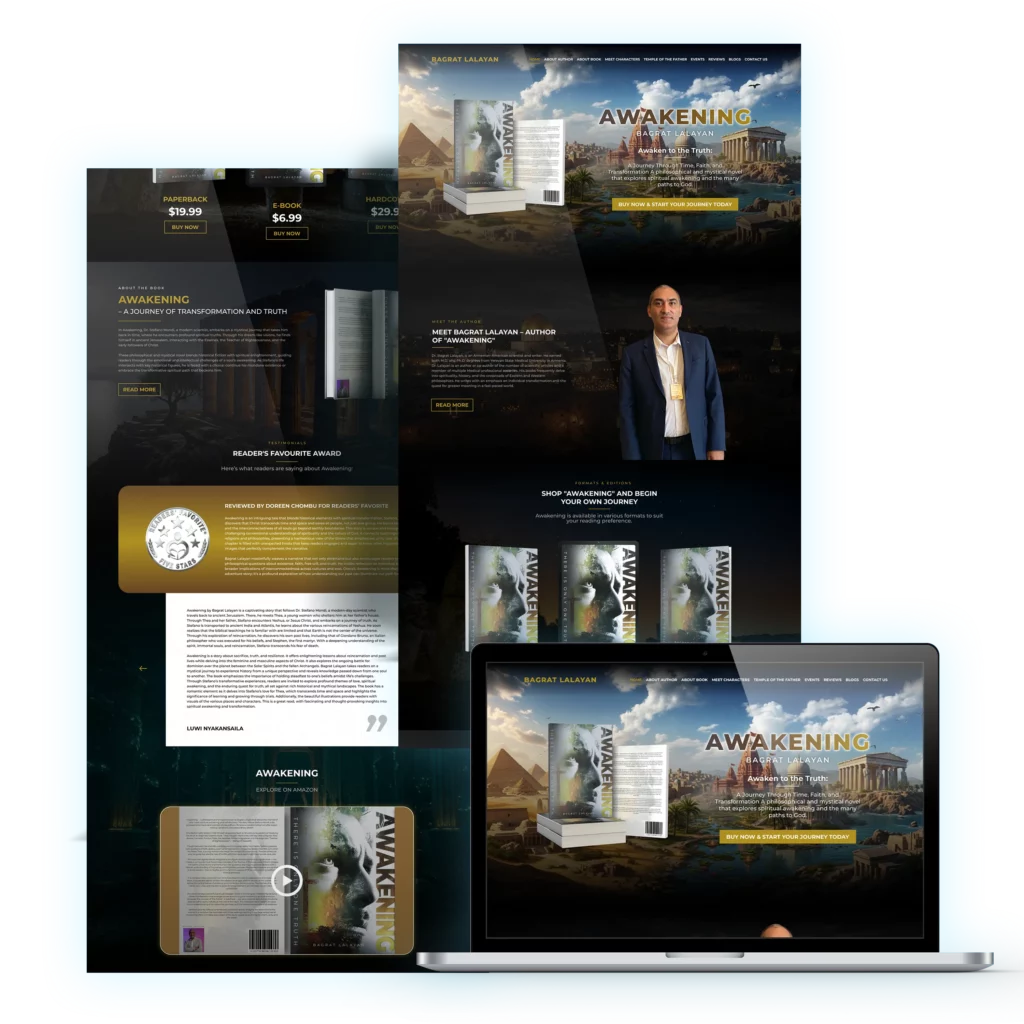
A custom website is built around your audience and your goals. The structure is planned with SEO architecture in mind. The layout is designed around user behavior. The development is clean and intentional.
Instead of adjusting your business to fit a theme, the website is built to fit your growth plan.
This matters when your marketing becomes more advanced. If you plan to scale organic search traffic, run Google Ads campaigns, or build out service-specific landing pages, flexibility becomes essential.
Custom development allows for better control over site speed, internal linking structure, schema markup, and conversion pathways. These are not cosmetic details. They directly influence traffic and revenue.
SEO: Infrastructure Determines Rankings
Search engine optimization depends on more than keywords. It depends on technical structure.
Many template websites rely heavily on plugins. Each plugin adds scripts and code. Over time, this slows down performance. A slow website reduces search visibility and increases bounce rate.
When evaluating custom vs template website performance from an SEO perspective, the ability to control the technical environment makes a difference.
Custom builds allow developers to:
- Structure URLs cleanly
- Improve Core Web Vitals
- Optimize page hierarchy
- Build scalable content silos
Organic traffic growth is rarely accidental. It is built on technical precision.
If SEO is part of your long-term marketing plan, the foundation matters.
Paid Advertising and Landing Page Performance
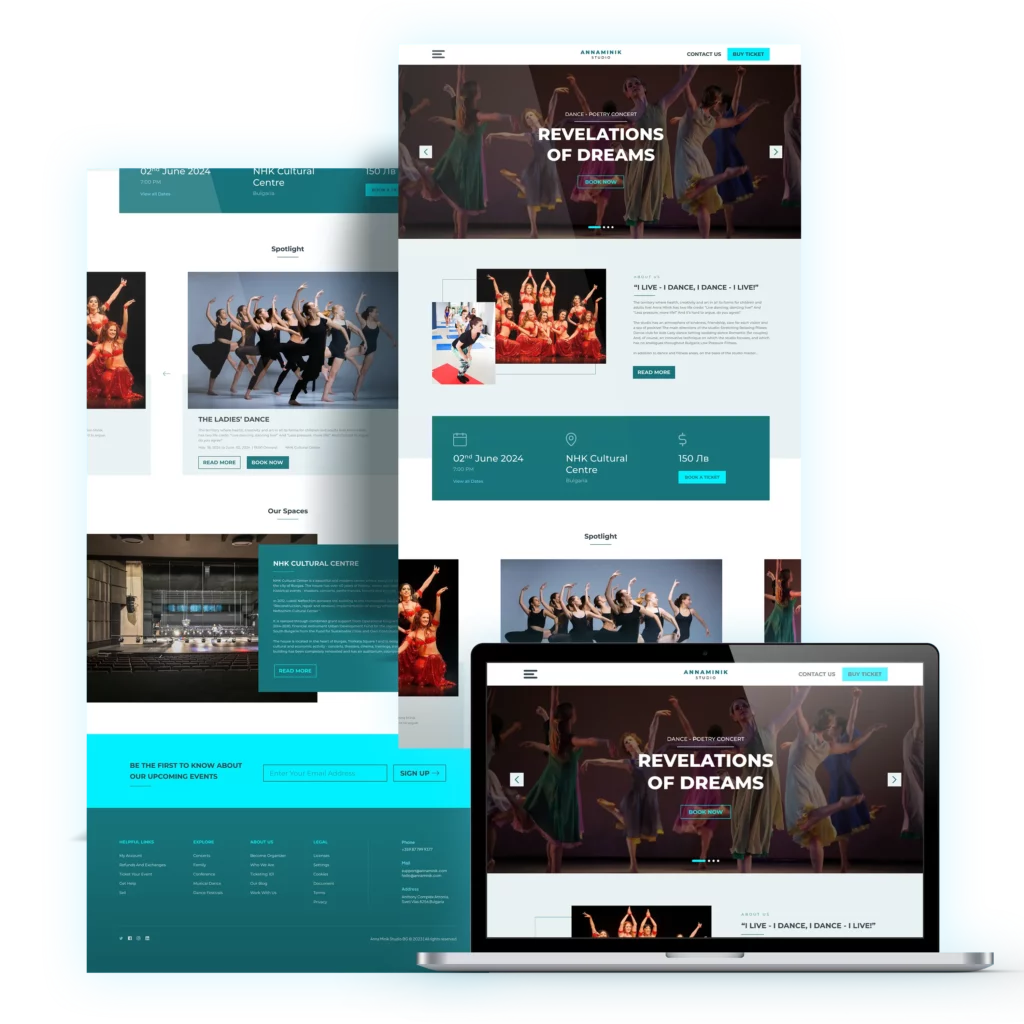
Paid search campaigns depend heavily on landing page quality. Google evaluates user experience when calculating quality score. If your page loads slowly or is cluttered with unnecessary design elements, your cost per click rises.
Templates are often built for visual appeal rather than performance clarity. They may include sliders, animations, or complex layouts that distract users from taking action.
A custom website allows landing pages to be structured specifically for conversion. Clear call-to-action placement, focused messaging, and simplified forms improve results.
When businesses compare custom vs template website performance under active PPC campaigns, the difference often becomes visible in conversion rate and cost efficiency.
Conversion Rate: The Hidden Growth Lever
Traffic without conversion is expensive.
Many businesses invest heavily in SEO or Google Ads, only to discover their website does not convert visitors into leads.
Templates tend to follow common layout patterns because they are designed for mass use. But your audience may not behave like the average user for whom the theme was built.
Custom builds allow designers to analyze user intent and map the buyer journey properly. Where does the user land? What information do they need first? When should the call to action appear?
Even a small increase in conversion rate can dramatically improve marketing ROI. A website converting at 3 percent instead of 2 percent produces 50 percent more leads from the same traffic volume.
That difference rarely comes from color changes. It comes from structure.
Scalability and Long-Term Flexibility
Your business today is not your business in three years.
Templates often work well early on. But as service pages expand, blog content grows, and campaign landing pages multiply, structural limitations appear.
Custom development makes it easier to add new service silos, integrate CRM systems, implement advanced tracking, and create dedicated campaign funnels.
Growth requires flexibility. In the custom vs template website debate, this is where long-term thinkers usually lean toward custom builds.
Budget Considerations and Return on Investment
Templates cost less upfront. That is undeniable.
But the true cost of a website includes:
- Lost conversions
- Higher paid ad costs
- Slower SEO growth
- Redesign expenses later
A custom website requires a higher initial investment. However, if it improves organic rankings, lowers advertising costs, and increases conversion rates, the long-term ROI often offsets the difference.
The smarter question is not which option is cheaper. It is which option aligns with your growth strategy?
When a Template Makes Sense
Templates can work for:
- Startups validating an idea
- Small local businesses with minimal competition
- Companies with no immediate SEO or PPC investment
If the website is primarily informational and traffic expectations are low, a well-optimized template may be enough.
The problem is when businesses choose a template while expecting enterprise-level growth results.
When Custom Is the Better Investment
Custom development makes more sense when:
- SEO is a primary lead channel
- You plan to run ongoing Google Ads campaigns
- You operate in a competitive industry
- You need advanced tracking and analytics
- You expect to scale content and services
In competitive markets across the USA, UK, and Europe, integrated digital marketing strategies often demand technical precision that templates struggle to provide.
Companies working with integrated teams such as Invisio Solutions typically see stronger long-term alignment between SEO, PPC, and website performance because the infrastructure is built with growth in mind.
Final Thoughts
The custom vs template website decision should be based on where you want your business to be in three to five years.
If your website is simply a digital brochure, a template may be enough. If it is a core revenue driver tied to SEO, paid ads, and conversion tracking, structure matters more.
Before making a decision, review your growth goals, marketing channels, and competitive landscape. A strategic consultation can help clarify which approach aligns best with your objectives without overbuilding or underinvesting.
Hear what others have to say about us ->
Table of Contents
Recent Posts
Testimonials
What Our Clients Say
Tommy.Mpetsonpoint.co.uk This is the first time I've been truly 100% happy with a companies work when it comes to website and e-commerce design and creation, at first I was focused on Wix although after discussing it with Gleb and his team I opted to convert to WordPress... Thomas.Bclassichouse.vip We are a German real estate company. After more than 20 years in Hamburg, we founded a company in and moved to Bulgaria. Here we needed a new website. From the first day Gleb and his team explained each step, helped us to... Tamara.Rhwscenter.com Very pleased with the work of this company! They corrected unfair work of other developers at a very reasonable price, very fast and of high quality! They work on conscience:) Huge thanks!!! Maxfuturistotrailers.com Many thanks to the Invisio Solutions team for the work done! We got exactly what we wanted. Fast, high quality, good price! Kier.Kcondimaniac.com Gleb and the team have really opened my eyes to what’s possible when it comes to scaling your digital marketing. They’re efficient and great communicators, I couldn’t recommend them enough! Elvira.Gadsimulo.com Invisio Solutions has been doing our digital marketing and website development for many years, they are always quick to respond to urgent requests and provide cost effective solutions to any problems we have had. Special thanks to... Ivan.Sbidexport.com Invisio Solutions are true experts in digital marketing & seo, with their help we managed to grow and expand our business at a very high pace! Oleg.AEstec.pro Thanks to all the developers for the good work and great website! They promised to make a quality resource and kept their word! Thank you for your punctuality and reasonable prices! We will... Alena.Yaffinity.com.ua Gleb & the team have been helping us for many years, they re-designed our website, increased our SEO ranking and are doing our running our paid ads. Absolutely recommend them! George.Mproxyempire.io Invisio Solutions are true experts in seo & digital marketing. Their ads conversions are unbeatable and ranking techniques provide insane results. James.Djpadsolutions.com We used Invisio Solutions for some emergency web dev jobs, and were very pleased with results. Quality coding, fast response, friendly relationships! Chris B. AMAZING LOGO DESIGN! I cannot say enough good things about this company. I needed a logo for my group and I am not a designer. I briefly told them what I was interested inane they got right to... Maxfuturistotrailers.com I've been working with this team for several years now! Professionals who are not so easy to find! Respect guys Valery F.advancedpsychologyinstitute.com Invisio Solutions approached our project after a thorough discussion and with full understanding of our needs. They were efficient and creative, and provided a high-quality results including a great website beautifully designed and... Read more on trustpilot# An All-In-One Digital Agency At your Service
Get In Touch
You can reach us anytime via [email protected]
0 +Years Of Experience
0 +Projects Completed
0 %Customer Satisfaction
0 K+Support Requests Resolved
Contact Info
+44 (0) 7446508866 [email protected] [email protected]
Visit our office
2a Killieser Avenue, London United Kingdom, SW2 4NT
Featured Articles
Top 10 Digital Marketing Trends 2024:

Technical SEO services guide 2026: boost
Top 7 Mobile App Development Frameworks
Key Content Elements That Drive Engagement

Master Your SEO: The Ultimate 8-Step

9 Product Marketing Strategies That Will
Master SEO for Small Business :
Minimalist website design: 12 beautiful examples
Frequently Asked Questions
Is a template website bad for SEO?
Not necessarily. A well-chosen, lightweight template can rank if optimized properly. The challenge comes when themes rely on excessive plugins and bloated code. Page speed, mobile usability, and clean structure influence rankings. In competitive industries, technical flexibility often gives custom websites an edge.
How much more expensive is a custom website?
Custom development usually requires a larger upfront investment due to design, strategy, and coding time. However, the long-term ROI may be higher if it improves conversion rate and reduces paid advertising costs. The cost difference should be evaluated against growth goals, not just initial budget.
Can you convert a template website into a custom one later?
Yes, but it often involves a full redesign. Migrating content, preserving SEO rankings, and restructuring internal links must be handled carefully. Many businesses end up rebuilding within two to three years when templates become limiting.
How do you measure the success of an integrated strategy?
Success is measured through combined performance metrics. Organic traffic growth, keyword rankings, cost per conversion, return on ad spend, and overall revenue trends all matter. Conversion rate optimization metrics such as bounce rate and time on page also provide insight. The goal is not just traffic, but profitable traffic. An integrated dashboard that tracks SEO, PPC, and website performance together gives a full picture of progress.
Does a custom website automatically convert better?
Not automatically. Strategy matters. A poorly planned custom build can underperform just like a template. The advantage lies in flexibility and alignment with user behavior, not simply in the word custom.
Which option is better for small businesses?
It depends on growth plans. If marketing budgets are limited and competition is low, templates can work. If SEO and PPC are part of your long-term strategy, custom development often supports stronger results.