Webflow Development: When Webflow Is the Right Choice
Every web platform decision eventually comes down to the same question: what does this business actually need, not which tool is trendiest this year. Webflow has earned a genuine following among designers and marketers who want visual control without sacrificing clean code, but that does not make it the automatic right answer for every project. Choosing it because it is popular in design circles, rather than because it fits the actual requirements, is how businesses end up rebuilding a site within two years.
This guide covers what Webflow website development actually offers, when it is genuinely the right choice, when a platform like WordPress still makes more sense, and how to weigh the trade-offs properly before committing.
What is Webflow, and how is it different from WordPress?
Webflow is a visual web design platform that produces clean, semantic code directly from a visual canvas, combining a design tool, a built-in CMS, and hosting into one system, without requiring a developer to hand-code the output. WordPress, by contrast, is an open-source content management system built on a vast plugin ecosystem, offering more raw flexibility but usually more technical overhead to manage well.
The scale gap between them is still substantial. An analysis of HTTP Archive data found WordPress running on 33.21% of all measurable web origins as of April 2026, more than seven times the next largest CMS, while Webflow sat at 0.73%, trailing Wix and Squarespace as well. Webflow’s footprint is small by comparison, but it is concentrated specifically among designers and marketing teams who value visual control, which is a very different market than WordPress’s broad, general-purpose dominance.
When does Webflow website development make the most sense?
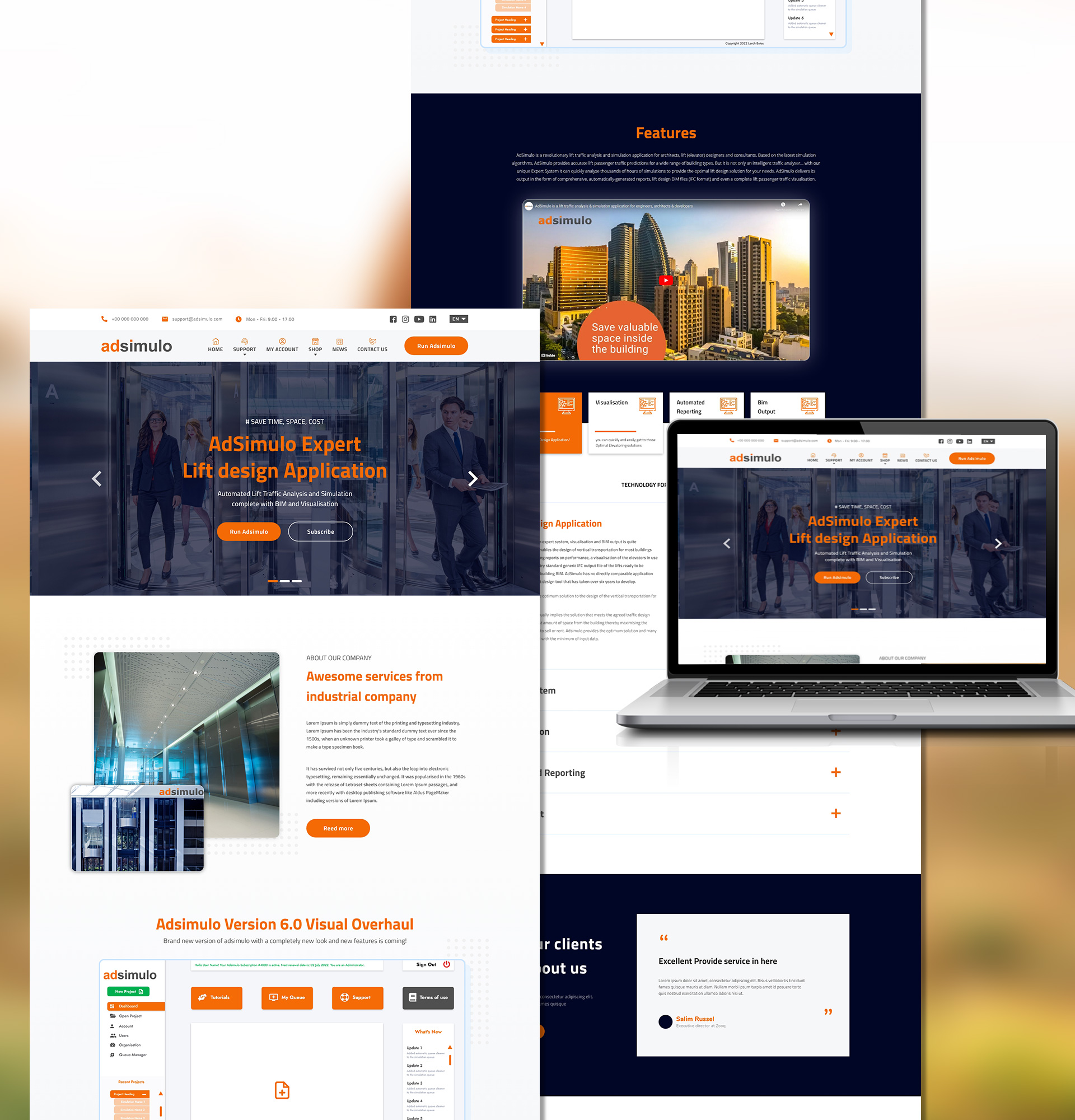
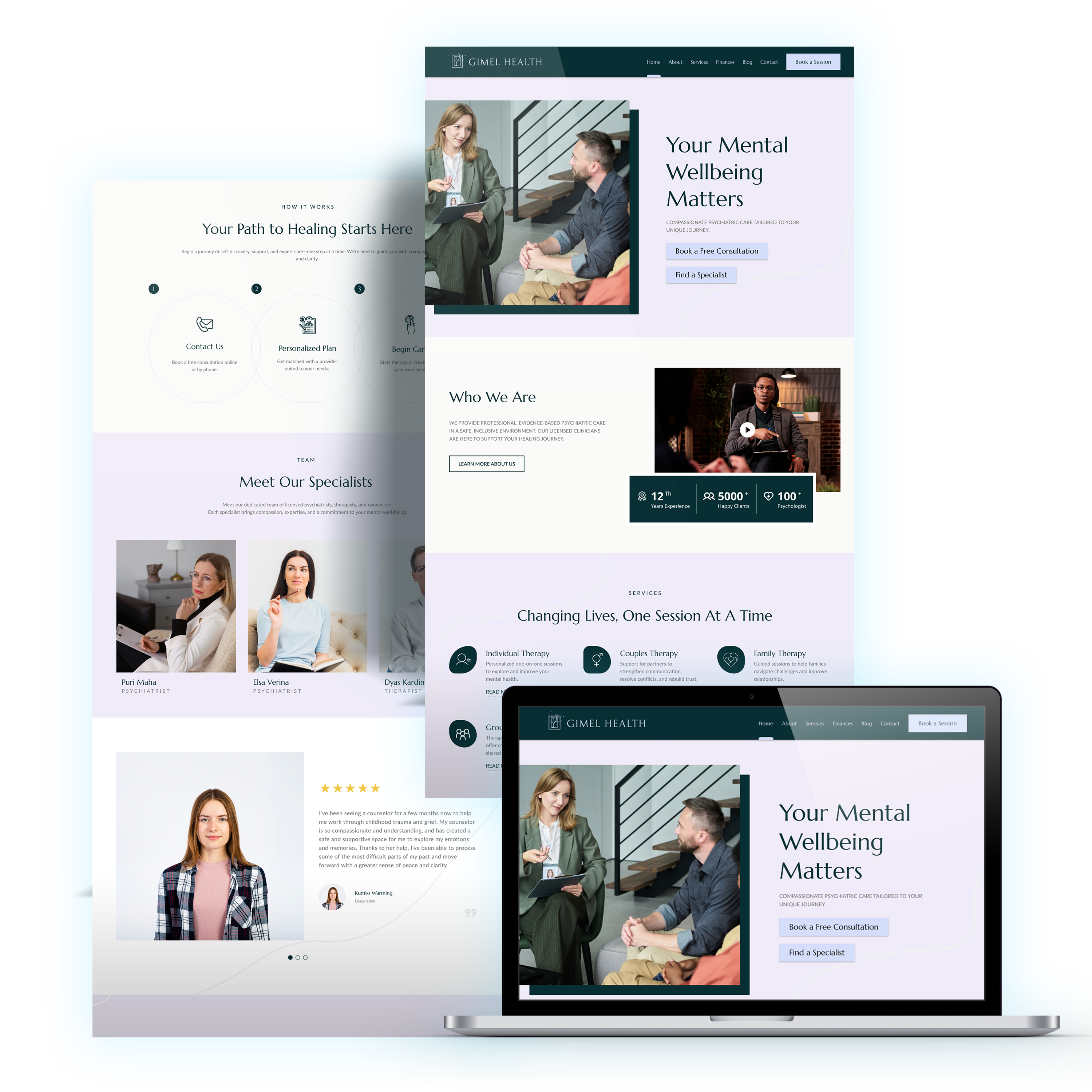
Webflow website development makes the most sense for marketing-led sites where design fidelity, fast iteration, and a clean, maintainable output matter more than deep plugin-driven functionality. It particularly suits teams that want to make ongoing content and design changes themselves without relying on a developer for every update.
It also fits well for agencies and design-forward brands building a site meant to showcase visual craft, since Webflow’s canvas gives designers far more direct control over the finished output than translating a design into a WordPress theme typically allows.
When is WordPress still the better choice instead?
WordPress remains the stronger choice for sites needing deep, specific functionality through its plugin ecosystem, for large content operations with complex taxonomy needs, or for projects where the client’s team already has WordPress experience and does not want to learn a new platform. Its scale also means a much larger pool of developers and resources to draw on if a project needs specialized support.
For ecommerce specifically, WordPress paired with WooCommerce still offers a depth of extensions and customization that Webflow’s more limited native ecommerce tools do not fully match, particularly for larger or more complex catalogs.
What are the trade-offs of choosing Webflow?
Webflow’s trade-offs mirror its strengths. The visual, all-in-one approach that makes it fast to design in also means less flexibility for highly custom or complex functionality than a fully custom build or a deeply plugin-extended WordPress site can offer. Hosting is also tied to Webflow itself, which some businesses see as a convenience and others see as a lock-in they would rather avoid.
The smaller talent pool relative to WordPress is worth weighing too. Finding a skilled Webflow developer is entirely realistic, but the pool is narrower, which can matter if a project needs rapid scaling of development resources.
How do you decide which platform fits your project?
Start from the project’s actual requirements: how much custom functionality is needed, who will maintain the site day to day, and how central visual design fidelity is to the business. A marketing site prioritizing design control and ease of ongoing edits tends to favor Webflow. A site needing deep, specific functionality or an existing WordPress-fluent team tends to favor staying with WordPress.
Whichever platform fits best, the decision is worth making deliberately rather than defaulting to whichever platform a designer or developer happens to prefer personally, since that preference does not always align with what the business actually needs long term.
Get the right platform, and the right build
Webflow website development is the right call for the specific kinds of projects it suits well, not a universal answer. Getting that decision right before development starts saves a rebuild down the line.
Invisio Solutions builds on Webflow, WordPress, and fully custom platforms, helping clients choose the right fit before committing. Visit the Invisio Solutions Webflow development page to discuss your project and request a proposal.
Frequently asked questions
- Webflow website development uses Webflow’s visual design platform, which combines a design tool, built-in CMS, and hosting to produce clean, semantic code without hand-coding. It suits marketing-led sites where design fidelity and ongoing self-editing matter.