Small business SEO is one of the most misunderstood areas of digital marketing. Many small business owners invest time and money into building a website, only to find it sitting on page four of Google with little to no organic traffic. The frustrating truth is that a website existing is not the same as a website performing. If your site is not ranking, there are almost always specific, fixable reasons why. This post breaks down the most common culprits and what you can do about them.
Your Website Has Not Been Optimised for Search
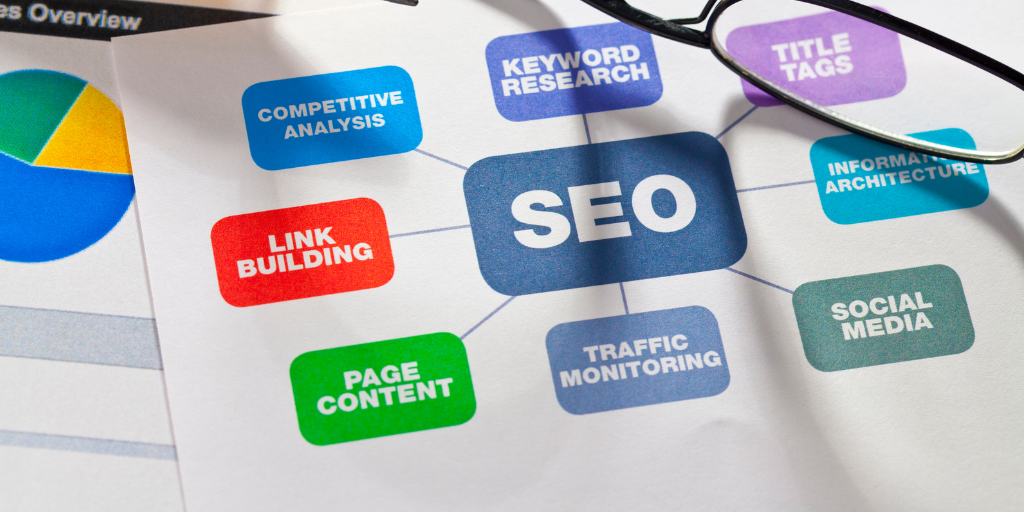
The most fundamental issue in small business SEO is on-page optimisation, and it is frequently neglected. Search engines rely on clear signals to understand what your pages are about and who they should be shown to. If your pages are missing title tags, have thin or duplicate content, lack proper heading structure, or do not include the keywords your customers are actually searching for, Google has very little to work with.
Fixing this starts with a proper keyword strategy. Rather than guessing what people might search, effective small business SEO is built on data: understanding the specific terms your target audience uses, how competitive those terms are, and how to map them to the right pages on your site.
Your Site Is Technically Unsound
Technical SEO is the foundation on which everything else sits. A site that loads slowly, is not mobile-friendly, has broken links, or lacks a proper sitemap will struggle to rank regardless of how good the content is. Google’s crawlers need to be able to access, read, and index your pages efficiently. When technical issues get in the way, rankings suffer.
Common technical problems that hold small business websites back include:
- Page speed issues, particularly on mobile devices
- Missing or misconfigured SSL certificates (HTTPS)
- Crawl errors and broken internal links
- Duplicate content caused by URL variations or poor site architecture
- Missing XML sitemaps or robots.txt configuration errors
A technical SEO audit is typically the starting point for any serious small business SEO engagement. It surfaces the issues that are actively preventing your site from performing and creates a clear remediation plan.
You Are Not Targeting Local Search
For most small businesses, the most valuable traffic is local. Someone searching for a service in your area is far more likely to convert than a visitor from the other side of the country. Yet many small business websites make no effort to optimise for local search.
Effective local SEO for small businesses involves:
- Claiming and fully optimising your Google Business Profile
- Ensuring your name, address, and phone number are consistent across all online directories
- Building location-specific landing pages where relevant
- Generating and responding to customer reviews
- Earning local citations from relevant directories and publications
Local SEO is one of the highest-return areas of small business SEO, particularly for service-based businesses operating in specific geographic areas. If you are not appearing in the local pack for relevant searches in your area, this is almost certainly an addressable problem.
Your Content Does Not Answer What People Are Actually Searching For
Search intent is at the core of modern SEO. Google’s primary goal is to match search queries with the most useful, relevant content available. If your pages do not clearly and thoroughly address the queries they are targeting, they will consistently be outranked by pages that do.
Small business SEO content strategy should be built around understanding what your potential customers are asking at each stage of their journey, from initial awareness through to purchase decision, and creating pages that answer those questions better than anyone else. This includes blog content, FAQs, service pages, and landing pages.
You Have No Backlink Profile
Backlinks, links from other websites pointing to yours, remain one of the most significant ranking factors in Google’s algorithm. A small business website with no backlinks is essentially invisible to search engines from an authority standpoint, regardless of how well-optimised the on-page elements are.
Building backlinks for small business SEO does not require enormous budgets. It does require strategy: identifying relevant publications and directories, producing content worth linking to, and building relationships within your industry. Even a modest, consistent link-building effort can meaningfully improve domain authority and rankings over time.
If your website is not delivering the organic traffic and leads your business deserves, the team at Invisio Solutions has the expertise to identify exactly what is holding you back and build a small business SEO strategy that drives real results.
You Are Expecting Instant Results
SEO is a medium to long-term investment. It is not uncommon for a well-executed small business SEO strategy to take three to six months before significant ranking improvements become visible, particularly in competitive sectors. Businesses that abandon their SEO efforts too early, or that expect overnight results, consistently underestimate the value of organic search as a channel.
That said, the return on investment from SEO, once established, is typically superior to paid channels. Organic traffic does not stop the moment you stop paying for it. For small businesses thinking about sustainable, cost-effective growth, small business SEO represents one of the strongest long-term investments available.