

AI-powered personalization is transforming how Shopify stores engage customers, with 30% increases in average order value becoming the new normal for smart merchants. Shopify controls 20% of the global e-commerce platform market and powers nearly 3 million active stores worldwide, yet the technology stack and capabilities available to developers have evolved dramatically. From headless commerce frameworks to checkout customization APIs, the options in 2026 demand strategic choices aligned with your specific business goals.
| Point | Details |
|---|---|
| Mobile optimization drives revenue | 73% of shoppers browse on mobile devices, making responsive design and fast loading critical for conversions. |
| AI personalization boosts sales | Personalized product recommendations and dynamic content can increase order values by 30% through better customer targeting. |
| Headless commerce is optional | Sub-second page loads via Hydrogen benefit complex stores, but optimized Liquid themes work well for most merchants. |
| Checkout customization reduces abandonment | Shopify Plus APIs enable modifications to checkout flows that directly impact final conversion rates. |
| Structured workflows improve outcomes | Clear planning, testing, and agile development cycles create more successful store launches. |
Building a high-performing Shopify store in 2026 starts with three foundational elements: mobile optimization, speed, and strategic design. These technical basics determine whether visitors stay or leave within seconds of landing on your site.
Mobile-first design isn’t optional anymore. With 73% of shoppers browsing on mobile, your store must deliver seamless experiences on smaller screens. Touch targets need proper sizing, navigation should simplify for thumbs, and images must adapt without degrading quality. Our mobile SEO guide covers additional optimization techniques that complement responsive design.
Page speed directly impacts your bottom line. Slow-loading pages cause up to 7% sales loss, yet many merchants overlook performance until conversion problems surface. Compress images to WebP format, minimize JavaScript execution, and leverage browser caching. Test across devices to catch issues before customers experience them. Fast stores don’t just rank better; they convert better.

Design psychology influences purchase decisions immediately. Strategic color choices guide attention, white space reduces cognitive load, and button placement affects click-through rates. Every visual element should serve a purpose beyond aesthetics. Following Tailwind CSS best practices helps maintain consistent design systems while keeping code manageable.
Pro Tip: Use Google PageSpeed Insights weekly to monitor Core Web Vitals scores. Aim for green ratings across Largest Contentful Paint, First Input Delay, and Cumulative Layout Shift metrics.
AI-driven personalization transforms generic browsing into tailored shopping experiences that feel custom-built for each visitor. The technology analyzes behavior patterns, purchase history, and browsing habits to serve relevant products at precisely the right moments.
Dynamic content engines now adjust homepage layouts, product recommendations, and promotional banners based on individual shopper preferences. A returning customer interested in sustainable products sees different featured items than a first-time visitor browsing luxury goods. This contextual relevance boosts average order values by 30% because customers discover products they actually want.
Personalized rewards extend beyond traditional purchase-based programs. Modern systems recognize social media engagement, review contributions, and referral activities. Shoppers earn points for sharing products on Instagram or writing detailed reviews, creating multiple touchpoints that strengthen brand loyalty. These interactions generate valuable data that feeds back into recommendation algorithms.
Predictive analytics anticipate customer needs before explicit searches occur. If buying patterns suggest a customer orders coffee beans monthly, the system proactively surfaces reorder reminders with personalized discounts. Leveraging AI in marketing creates these predictive capabilities across email campaigns, product suggestions, and inventory planning.
“Personalization isn’t about technology; it’s about understanding customers deeply enough to anticipate their needs and remove friction from their buying journey.”
Accessibility matters for implementation. Small to medium businesses no longer need enterprise budgets to deploy AI tools. Shopify apps and integrated platforms offer tiered pricing that scales with store revenue. Start with basic product recommendation widgets, then expand to advanced segmentation as your customer base grows. Learn more about how personalization boosts sales through detailed case studies.
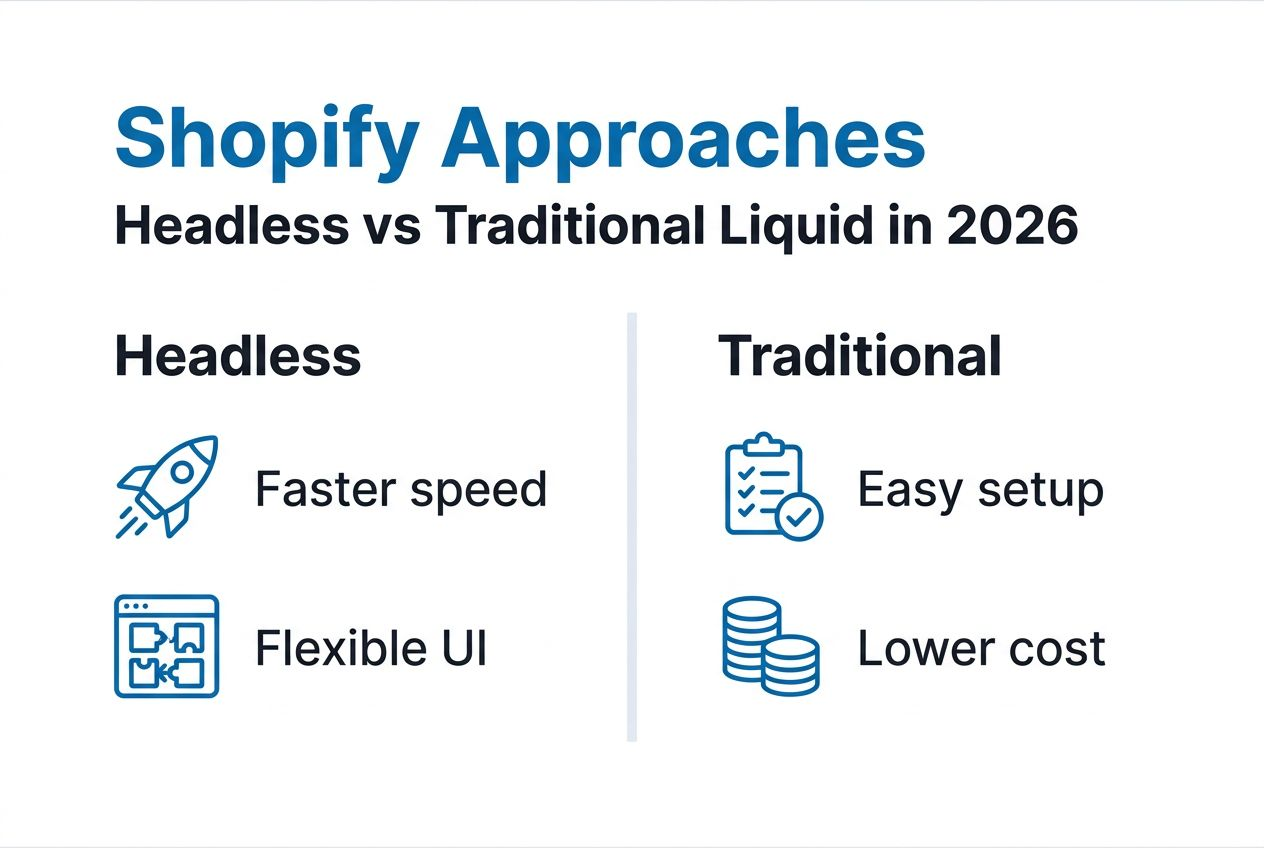
Headless commerce separates your store’s frontend presentation layer from the backend data management system, creating architectural flexibility that traditional themes can’t match. This decoupling allows developers to build custom interfaces using modern frameworks while Shopify handles inventory, payments, and order processing.
Shopify’s Hydrogen framework powers advanced headless implementations that deliver sub-second page loads and superior Core Web Vitals scores. The performance gains come from server-side rendering, optimized asset delivery, and granular control over how content streams to browsers. Complex product catalogs with thousands of SKUs benefit most from these speed improvements.
Best use cases include multi-market stores requiring different frontend experiences per region, businesses with unique customer journey requirements that standard themes can’t accommodate, and brands prioritizing mobile app experiences alongside web stores. The architecture supports progressive web apps, native mobile applications, and even in-store kiosks pulling from the same product database.
Cost and complexity considerations matter significantly. Headless development requires specialized React or Vue.js expertise, ongoing maintenance for custom codebases, and potentially higher hosting costs. Optimized Liquid themes remain cost-effective and sufficient for most merchants, especially those starting out or operating straightforward product catalogs.
Our Shopify development services help evaluate whether headless architecture aligns with your specific requirements and budget constraints. The decision should weigh factors like development timeline, available technical resources, and projected growth trajectory.
| Feature | Headless Commerce | Traditional Liquid |
|---|---|---|
| Performance | Exceptional (sub-second loads) | Good (with optimization) |
| Customization | Unlimited frontend flexibility | Theme-based constraints |
| Development Cost | $15,000 – $50,000+ | $3,000 – $15,000 |
| Maintenance | Ongoing developer needs | Lower technical overhead |
| Time to Launch | 3-6 months typical | 4-8 weeks typical |
| Best For | Complex catalogs, multi-channel | Standard e-commerce stores |
Pro Tip: Before committing to headless architecture, audit your current theme’s performance. Many perceived limitations come from poor optimization rather than Liquid’s inherent capabilities. Proper image compression, code minification, and app cleanup often deliver 80% of headless benefits at 20% of the cost.
Checkout represents the final conversion hurdle where even minor friction causes abandonment. Customizing this critical step creates seamless buying experiences that differentiate your store from competitors using default checkout flows.
Shopify Plus APIs enable deep modifications to checkout pages, payment options, and post-purchase upsells. You can add custom fields for gift messages, integrate loyalty point redemption directly into the payment step, or display dynamic shipping estimates based on real-time carrier rates. These enhancements reduce cognitive load and answer questions before customers abandon carts.
Reducing cart abandonment by even 10% substantially improves revenue without increasing traffic costs. Streamlined checkout flows remove unnecessary form fields, offer guest checkout prominently, and display trust signals like security badges at decision points. One-click upsells after purchase confirmation capitalize on buying momentum when customers have payment information already entered.
Strategic customizations include:
Smaller stores not on Shopify Plus should explore checkout apps that extend functionality within standard plan limitations. While not as flexible as API-level customization, quality apps still improve conversion rates through better design and strategic features. Review our examples of captivating ecommerce landing pages to see how design principles apply throughout the customer journey.
Testing different checkout variations reveals what resonates with your specific audience. A/B test button colors, form layouts, and trust badge placements to identify incremental improvements. Small changes compound into significant conversion lifts over time.
Successful Shopify stores result from structured development processes, not random implementation. Following a proven workflow reduces costly mistakes and ensures your store launches ready to convert visitors into customers.
Define clear business goals and target customer profiles before touching any code. What problems does your store solve? Who buys your products and why? Document specific revenue targets, average order value goals, and conversion rate benchmarks.
Select your Shopify plan based on required features, not aspirations. Basic plans work well for new stores testing products, while growing businesses benefit from Professional plan features. Reserve Shopify Plus for stores exceeding $500,000 in annual revenue or requiring advanced customization.
Choose themes or development approaches aligned with your technical resources. Pre-built themes accelerate launches for straightforward stores. Custom development makes sense when unique brand requirements justify the investment. Review how to choose the best Shopify developer for your project scope.
Prioritize mobile optimization and speed enhancements from day one. Build responsive layouts first, then enhance for desktop rather than the reverse. Compress all images before uploading and audit app installations for performance impact.
Integrate AI tools and apps that fit your goals. Start with basic product recommendation engines, then expand to personalization platforms as your customer base grows. Each app adds code that affects load times, so evaluate necessity carefully.
Customize checkout flows if budget allows. Even simple modifications like adjusting form field order or adding trust badges improve conversion rates. Track abandonment analytics to identify friction points worth addressing.
Use agile development sprints with regular stakeholder demos. Two-week cycles allow course corrections before investing too deeply in wrong directions. Show working prototypes early and often to gather feedback.
Test thoroughly before launch with clear success metrics. Verify checkout processes with real transactions in test mode, check mobile rendering across iOS and Android devices, and validate all links and forms. Define KPIs like conversion rate, average order value, and page load speed.
Pro Tip: Create a pre-launch checklist covering legal requirements (privacy policy, terms of service, cookie consent), SEO basics (meta descriptions, alt text, XML sitemap), and analytics setup (Google Analytics, Facebook Pixel, conversion tracking). Missing these items delays revenue generation after launch.
Myths about Shopify development lead merchants to make poor technology choices that waste budget or miss opportunities. Clearing up these misconceptions helps you invest wisely in capabilities that actually move your business forward.
Headless commerce isn’t mandatory for excellent performance. While headless architecture via Hydrogen delivers sub-second loads, properly optimized Liquid themes achieve strong results at significantly lower costs. Most small to medium stores see better ROI from investing in marketing and customer acquisition than bleeding-edge architecture.
Shopify development doesn’t require enterprise budgets to start. The platform scales complexity and cost to match business needs. A focused store with 50 products operates successfully on Basic Shopify with a quality theme, while a 10,000 SKU catalog across multiple markets justifies custom development. Match your investment to current revenue, not projected future scale.
AI personalization tools are accessible to small businesses now. Enterprise-grade recommendation engines once requiring six-figure implementations are available as affordable monthly subscriptions through Shopify’s app marketplace. Start with free trials to test effectiveness before committing to paid plans.
Checkout customization varies dramatically by plan. Shopify Plus unlocks extensive API access for deep modifications, while standard plans rely on checkout apps within defined constraints. Understand your plan’s capabilities before expecting specific customization options. Our Shopify development services clarify realistic options for your situation.
Key reality checks:
Shopify development in 2026 offers robust tools and technologies for growing successful e-commerce businesses, but smart implementation requires aligning capabilities with your specific requirements rather than chasing every trend. Mobile optimization, strategic AI personalization, and streamlined checkout processes deliver measurable results across store sizes and industries.
Selecting appropriate technologies depends on honest assessment of your current needs, available resources, and growth trajectory. A new store benefits more from proven themes and focused marketing than complex headless architecture. Established businesses with unique requirements justify custom development investments that smaller operations can’t yet absorb.
Continuous optimization after launch matters as much as initial development quality. Monitor analytics weekly, test conversion improvements monthly, and stay current with Shopify’s evolving feature set. The platform releases regular updates that add capabilities previously requiring custom code.
Professional development partners accelerate successful outcomes by bringing specialized expertise and proven processes to your project. They navigate technical decisions, avoid common pitfalls, and deliver stores optimized for your target market. Explore our comprehensive Shopify development services designed specifically for ambitious e-commerce entrepreneurs.
Your store’s success ultimately depends on solving real customer problems better than competitors, not on having the most advanced technology stack. Focus your development efforts on removing friction, building trust, and creating exceptional buying experiences that turn first-time visitors into loyal repeat customers.
Building a high-performing Shopify store requires both technical expertise and strategic thinking about your unique business needs. Professional development accelerates your path to revenue by implementing proven solutions while avoiding costly mistakes that delay launches or hurt conversions.
Invisio Solutions delivers custom e-commerce solutions tailored to your goals, whether you’re launching a new store or upgrading an existing one. Our team stays current with the latest Shopify technologies, from AI personalization to checkout optimization, ensuring your store leverages capabilities that drive measurable results. See how we’ve transformed businesses through our Affinity UA case study and Sailways transformation case study.
Connect with our Shopify website development experts to discuss your project requirements and explore how strategic development investments create competitive advantages in your market.