
A potential customer wants what you sell. They open Google, or scroll a feed, or check their inbox. In that moment, your business is either visible or invisible. Internet marketing is the work that decides which. Yet for many business owners the term stays fuzzy, a label covering a dozen tactics that never quite connect.
This guide makes it concrete. It explains what internet marketing actually covers, how the pieces fit together, and why working with an internet marketing agency usually beats trying to run each channel separately.
What internet marketing actually means
Internet marketing is the practice of promoting a business through digital channels to reach customers where they already spend their time. It is not a single activity. It is a set of connected channels, each doing a different job in the journey from a stranger first hearing of you to a customer placing an order.
The point worth grasping early is that these channels are not rivals competing for budget. They are parts of one system. An internet marketing agency exists to run that system as a whole rather than as disconnected experiments. Invisio Solutions shows how those parts are coordinated in practice.

The core channels of internet marketing
Search engine optimisation
SEO earns visibility in unpaid search results, so customers find you when they search for what you offer. It is a long-term asset: the rankings you build keep working without paying per click. SEO spans technical health, content, and SEO link building services that build the authority search engines reward.
Pay-per-click advertising
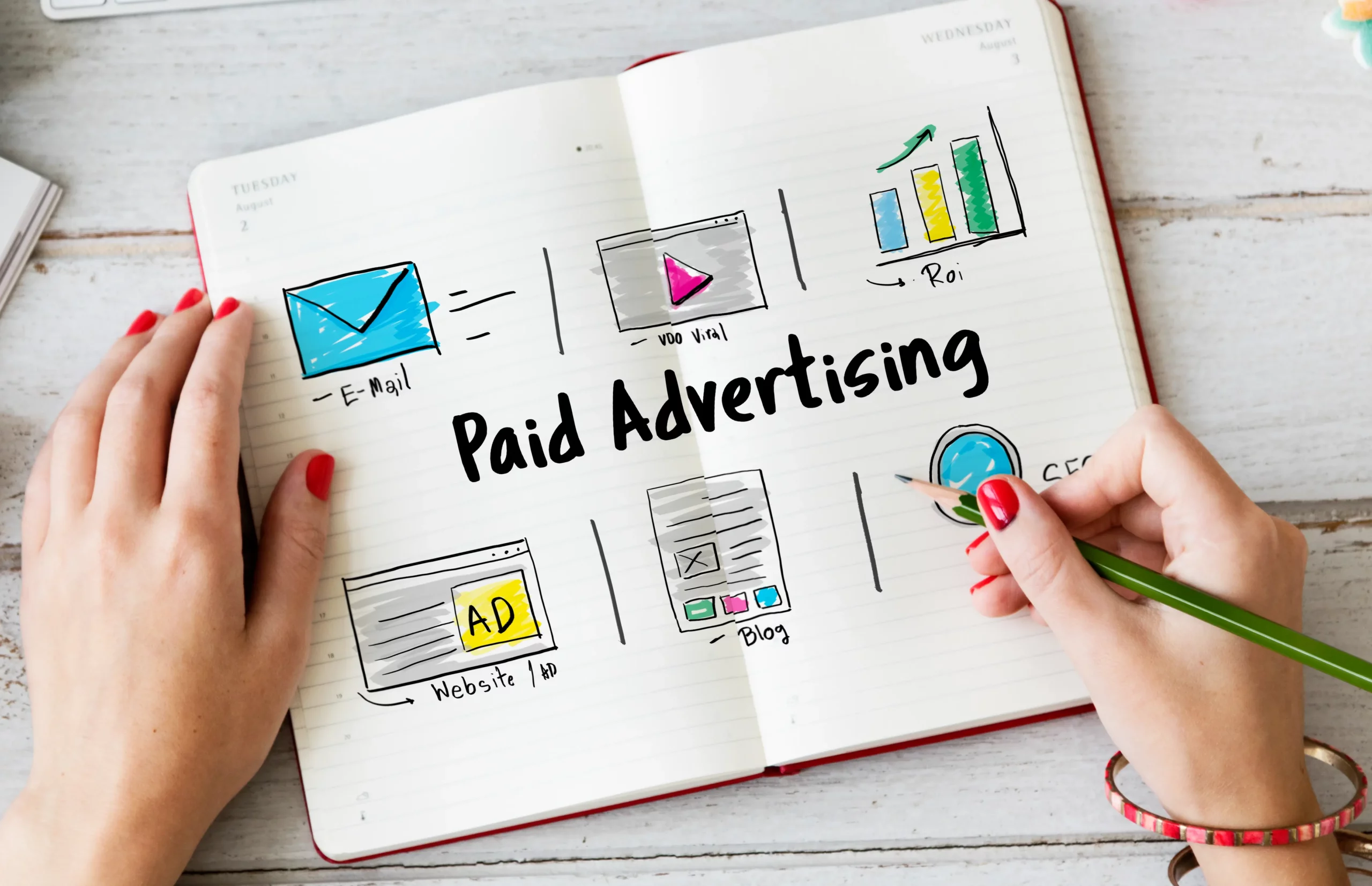
PPC places paid ads in front of customers actively searching, with results that appear quickly. Where SEO compounds slowly, PPC advertising delivers immediate visibility, which makes the two a natural pair: paid traffic now, organic traffic building underneath it. Skilled Google Ads management keeps that spend efficient.
Content marketing
Content, including articles, guides, and resources, attracts and informs customers while feeding SEO and giving every other channel something worth promoting. Strong content answers the questions your customers ask before they buy.
Email and social media
Email nurtures people who are interested but not yet ready, while social media builds awareness and gives your brand a presence in the places customers already browse. Both channels deepen relationships that the other channels begin.
Why the channels work better together
Run in isolation, each channel underperforms. SEO content with no promotion struggles to earn links. PPC traffic with no follow-up email is a wasted second chance. Social posts with nowhere strong to send people lead nowhere.
Run together, they compound. Content fuels SEO and gives PPC landing pages substance. Email recaptures visitors that ads and search first attracted. The audience research that sharpens B2B digital marketing also sharpens every other channel. The whole system is worth more than the sum of its parts, which is the central argument for an integrated approach.

Why a business needs an internet marketing agency
You could run all of this in-house. For most businesses, an agency is the more practical route, for a few clear reasons.
- Breadth of skill. Internet marketing spans SEO, PPC, content, email, and social. Few individuals are strong across all of them; an agency assembles specialists for each.
- Coordination. An agency runs the channels as one system, so each supports the others instead of competing for budget.
- Tools and data. Effective internet marketing depends on research and analytics tools that are costly to license and maintain alone.
- Time. Running these channels properly is a full-time job. An agency frees you to run the business itself.
- Accountability. A good B2B online marketing agency reports on results, so you can see what your investment is producing.
What good internet marketing looks like
Effective internet marketing starts with strategy, not tactics. Before any channel is switched on, a capable agency defines who the customers are, where they spend time online, and what journey turns a stranger into a buyer. Only then does it choose channels and set budgets.
It also rests on a sound foundation. As Google Search Central notes, a fast, well-structured website is the basis on which search visibility is built, which is why digital marketing and a strong website go hand in hand. Finally, good internet marketing measures everything, so spend is judged against outcomes rather than activity.
In-house, agency, or a mix
Choosing how to resource internet marketing is its own decision. Building a full in-house team gives you control but is expensive and slow to assemble, since you are recruiting several specialists and buying tools. A pure agency model gives you immediate breadth without the hiring.
Many businesses settle on a blend: an in-house marketer who owns strategy and brand, working with an agency that supplies specialist execution across SEO, PPC, and content. There is no universally right answer. The sensible approach is to be honest about what you can resource well internally and partner for the rest, rather than stretching one person across disciplines they cannot all master.
How to measure whether it is working
Internet marketing should be judged on outcomes, and the outcomes worth tracking are the ones tied to revenue. Traffic and impressions matter as leading indicators, but the figures that count are enquiries, conversions, and the cost of acquiring a customer through each channel.
A capable B2B online marketing agency sets up that measurement from the start, so every month you can see which channels are earning their place and which need attention. If a provider reports only on activity, posts published, ads run, without connecting it to results, you cannot tell whether your investment is working, and that gap is itself a reason to look elsewhere.
Common internet marketing mistakes to avoid
Businesses new to internet marketing tend to repeat the same few errors. The first is treating channels as separate experiments, switching one on, judging it in isolation, and missing the way the channels lift one another. The second is impatience, abandoning SEO or content before it has had time to compound.
The third is chasing activity instead of outcomes, measuring posts and clicks rather than enquiries and revenue. The fourth is neglecting the website itself, pouring budget into traffic that lands on a site which fails to convert. An experienced agency steers you past these mistakes, because it has seen each of them before and knows that a connected strategy, patience, and proper measurement are what turn internet marketing into growth.
Turn internet marketing into a system that works
Internet marketing is most powerful when SEO, PPC, content, email, and social are run as one connected system rather than separate experiments. That coordination is exactly what an internet marketing agency provides.
Invisio Solutions brings those channels together into a single strategy built around your customers and your goals.